Australia's Wartime Diplomatic Mission in Chongqing, China
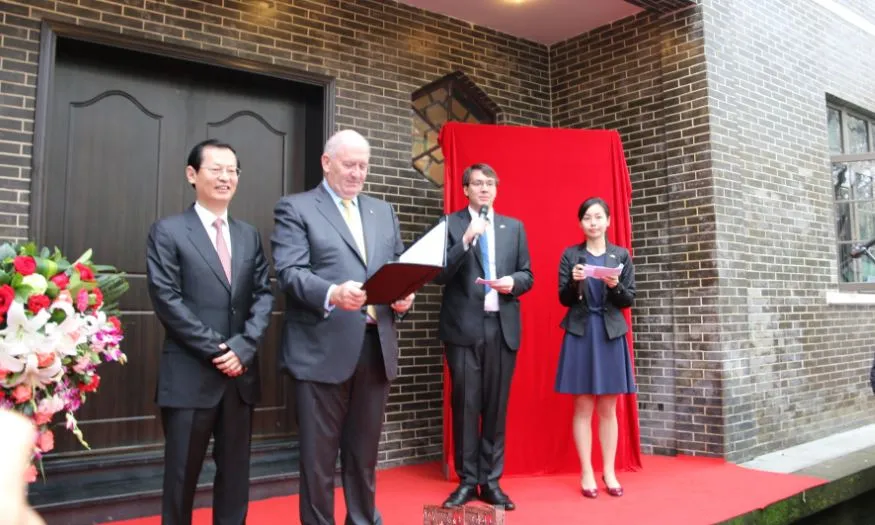
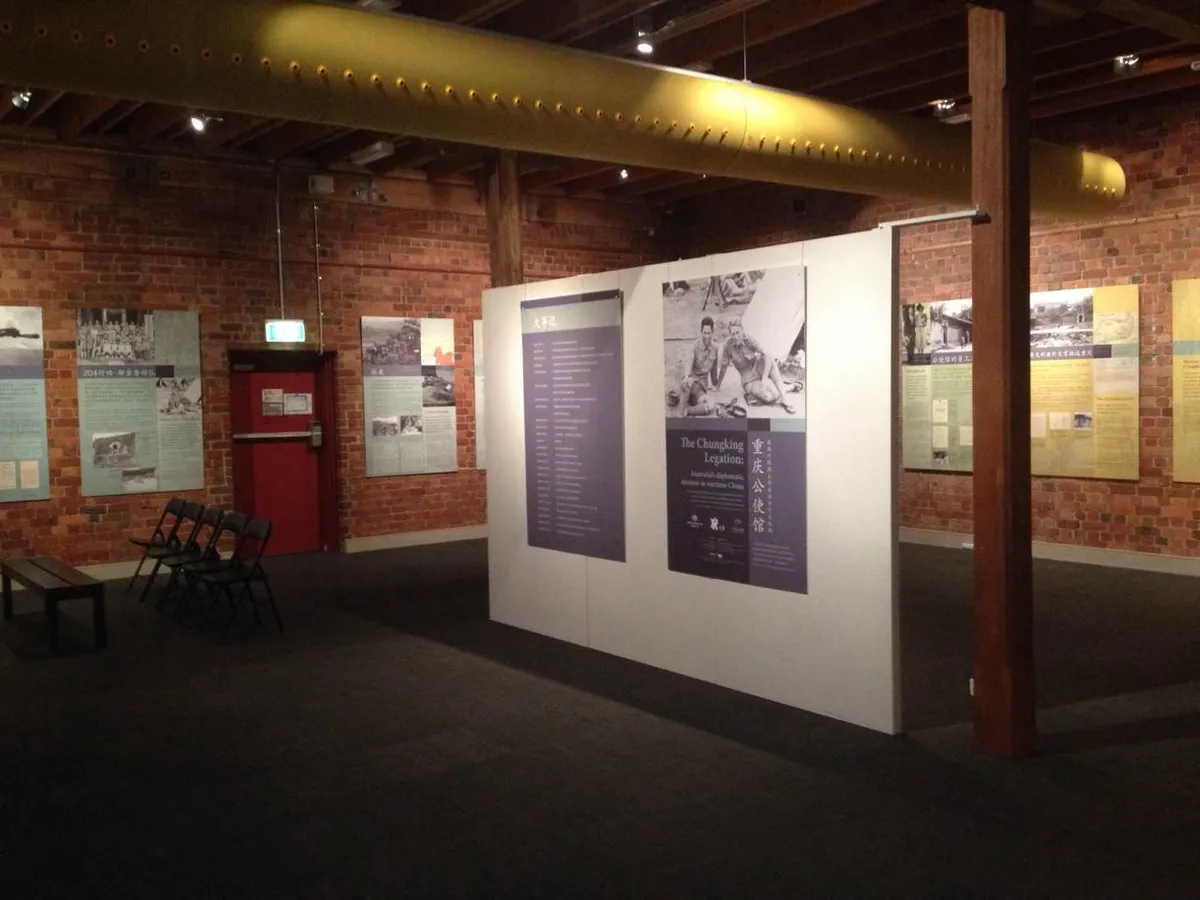
Way back in 2015, then Governor-General Peter Cosgrove launched the ‘Chungking Legation: Australia’s diplomatic mission in Southwest China’ exhibition. I had the pleasure of MC’ing the event which held at the original legation building in the leafy grounds of Chongqing’s E’Ling park.
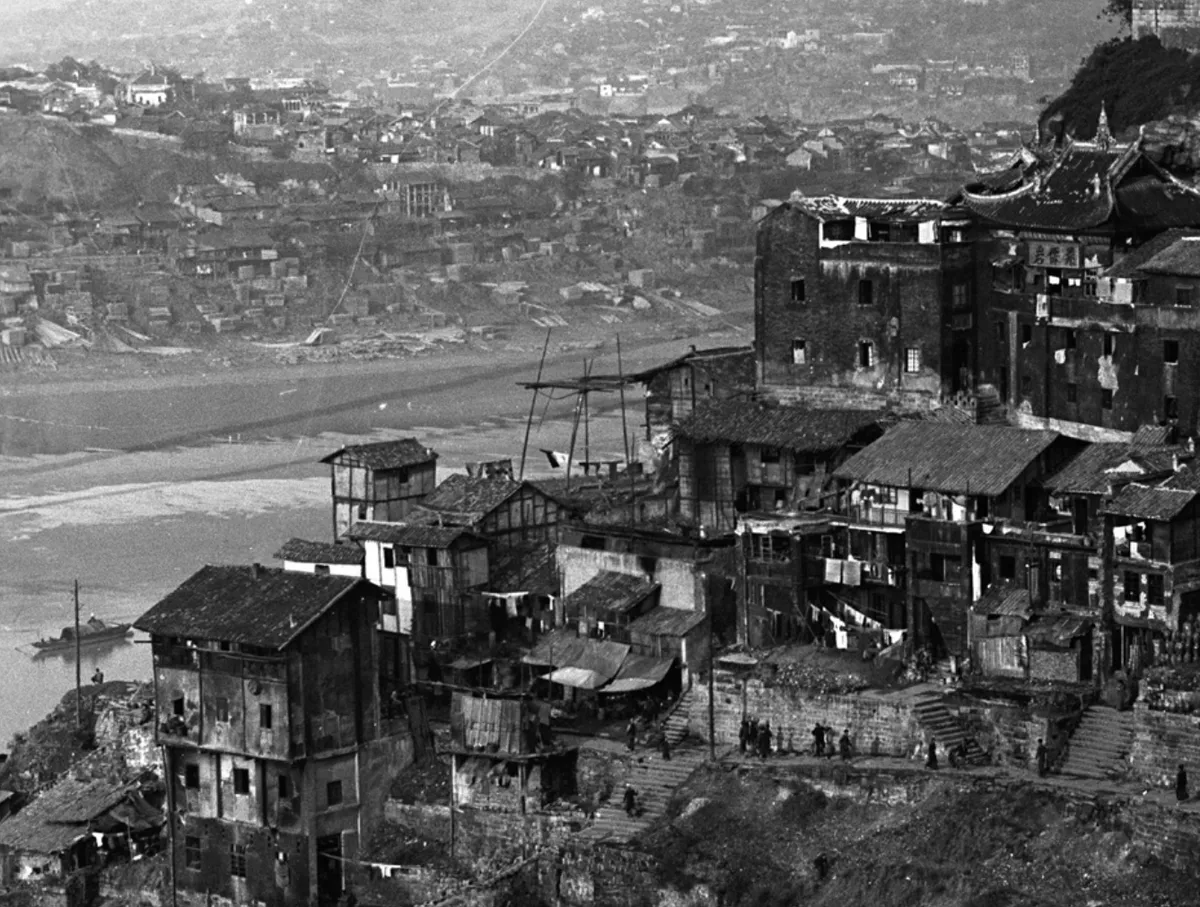
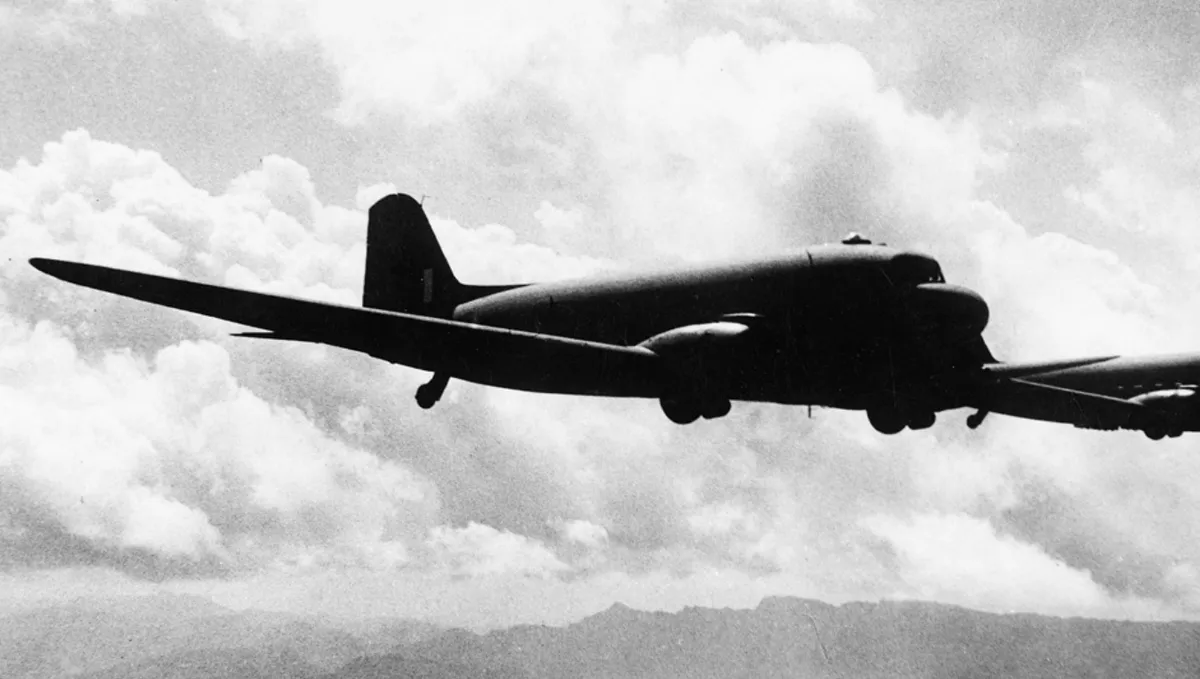
While many Australians know of Gough Whitlam’s 1971 visit to China, fewer are familiar with this earlier milestone in Australia-China relations. On October 28, 1941, then Minister for China Sir Frederic Eggleston presented his credentials to Chinese President Lin Sen, establishing Australia’s first diplomatic mission in China during a critical period when Chungking (pictured below), now Chongqing, served as the wartime capital of China during the Second World War. This was Australia’s third overseas diplomatic mission and represented our emerging independent foreign policy.
I didn’t know it then, but the launch event kicked off a tour of the exhibition that went right through to early 2020. The exhibition attracted audiences in diverse locations from schools, to libraries, to hotel lobbies, shopping centers, and diplomatic events. Locales were diverse too - everywhere from larger cities like Chengdu, to Guiyang and Yunnan, through to minnows such as Sichuan’s Leshan and Yibin.
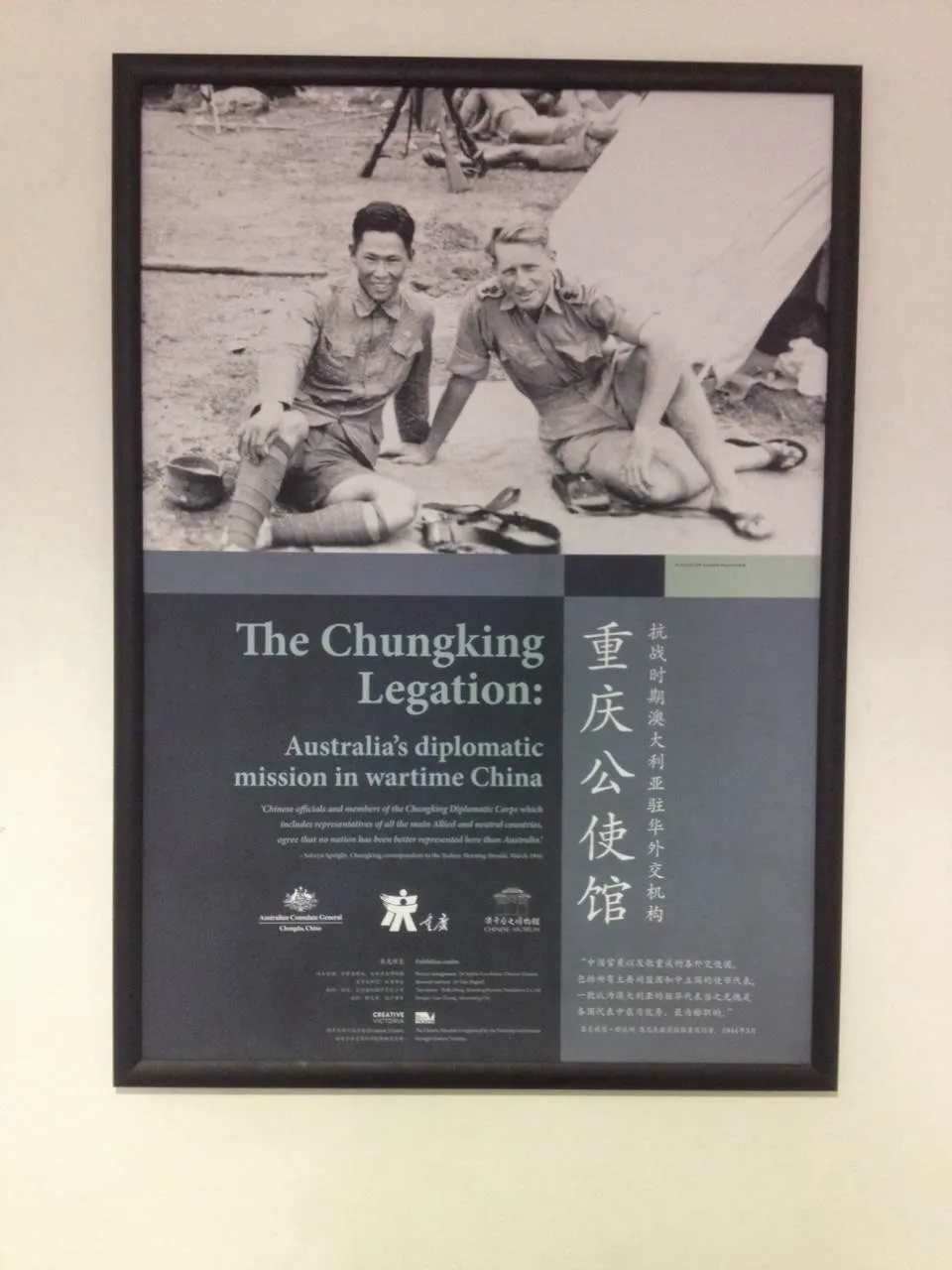
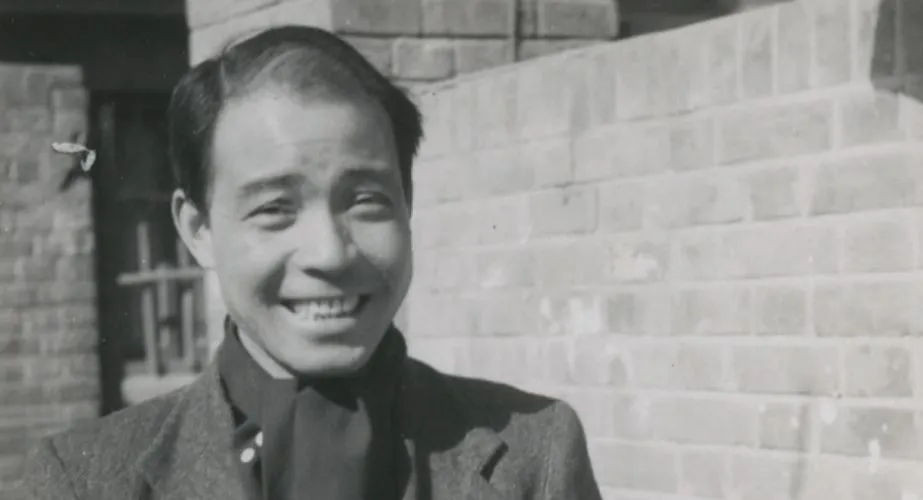
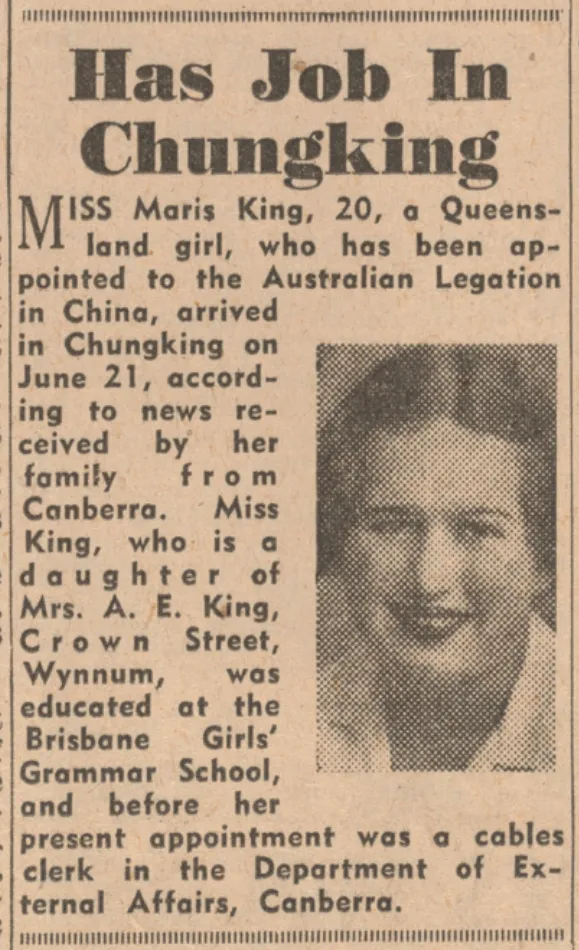
The exhibition featured compelling stories from the Legation, including Sir Frederic Eggleston, who later represented Australia at the founding of the United Nations and played a big role in the Australian Institute of International Affairs. It also highlighted Charles Lee (pictured below), the first Chinese-Australian diplomat, and Maris King (pictured below), who later became only the second woman to head an Australian diplomatic mission.
Curating an exhibition in China presented unique challenges, particularly with translation. I oversaw two translators working on this aspect, helping to navigate difficulties such as identifying street names from the records left behind by people who didn’t speak the language. In the process I got up to scratch on the antiquated Wades-Giles way of transliterating Chinese names into English while helping to update some names.
The murkiness of history was a challenge. Maps that represented what warlord, country or faction controlled which part of wartime China across 1941, 1942 and 1943 quickly proved difficult to bed down. This context would’ve been great to include for modern audiences but ended up on the cutting room floor due to a lack of verifiable sources. With so much written about the Second World War it is surprising how sparse the academic record is on the war in China!
In years since, I’ve been asked a few times about how to curate a travelling exhibition in China. The answer is surprisingly simple: focus in on a good exhibition partner, and the rest can be done remotely. A library, for example, can size up a potential location over text messages. Once that is sorted, printing digital exhibition files at a print shop is very straightforward with quality and cost being the key variables. The interest in Australia from audiences in China is always strong.
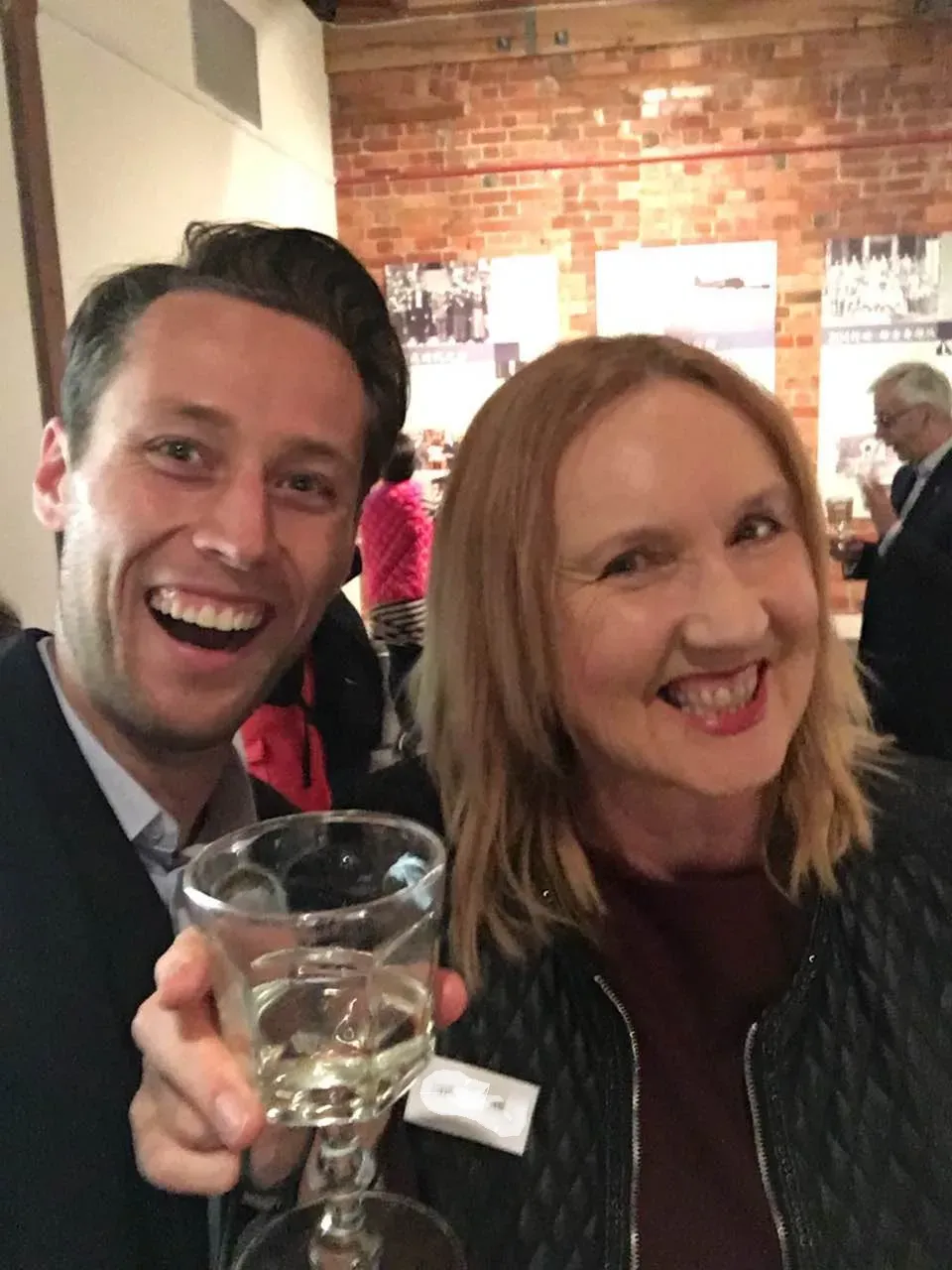
Of course, the great part about projects that last several years are the friends you make along the way. The book and exhibition authors, Kate Bagnell and Sophie Couchman, continue to produce amazing projects on Australia-China history. Will Sima, who released a book on the Australian National University & China at the same time the exhibition was underway, became a friend after a happy coincidence where one researcher mistook us for each other on several emails.
You can buy Kate Bagnell & Sophie Couchman’s 'Chungking Legation: Australia’s Diplomatic Mission in Southwest China’ here.
You can buy Will Sima’s 'China & ANU: Diplomats, Adventurers and Scholars' here.